








The Worst Holiday Foods for Your Heart
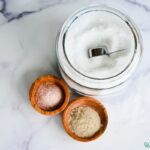
Brining turkey means soaking it in salty water, which can make the meat more tender and flavorful.
[6]
But all that salt can make your body hold on to fluid, which raises your blood pressure, says Higgins. Indeed, the more salt you eat, the higher your blood pressure can get, he says.[5]
Besides your turkey, salt can also sneak in through stuffing, gravy, canned-soup casseroles, and dinner rolls, says Higgins. “Each item may seem only moderately salty, but together on one plate they can add up to a large salt load.”
Instead, try roasting a skinless turkey with plenty of delicious herbs for flavor, says Sobti. Keep your portions on the small side and limit how much gravy you use.
[1]
To make your gravy healthier, use low-sodium broth and separate your cooking liquid from the fat before you prepare it.[7]
You can also play with using different flours or cornstarch as a thickening agent instead of using meat drippings.[8]
If you do have brined turkey, try keeping the rest of your plate lower in sodium, he says. “[For example], make gravy from scratch, and taste before you salt,” says Higgins.
You can also ask your healthcare provider about switching to potassium-enriched salt substitutes, which can help lower the heart risk from too much salt.
[9]
“That does not mean everyone should switch. People with kidney disease, or those taking certain blood pressure or heart medicines, can be harmed by too much potassium, so check with your doctor first,” says Higgins.